

Understanding The Core Differences: Property vs Shares Australia
Alright, let’s get down to brass tacks. When we talk about building wealth in Australia, two big players usually come up: property and shares. They seem pretty straightforward, right? But dig a little deeper, and you’ll find they’re actually quite different beasts. Understanding these differences is the first step to figuring out which one might be a better fit for your money goals.
Tangible Assets: The Physical Nature of Real Estate
Property, you can touch it. It’s a house, an apartment, a piece of land. It’s a physical thing sitting there in the real world. This tangibility is a big draw for a lot of people. You can see it, you can visit it, and in many ways, it feels more ‘real’ than a stock certificate or a digital entry in a brokerage account. Owning property means you own something concrete. This can give a sense of security, knowing you have a physical asset. Plus, there’s the potential to live in it, rent it out, or even just enjoy the space. It’s not just numbers on a screen; it’s a physical place.
Intangible Investments: The Abstract World of Stocks
Shares, on the other hand, are a bit more abstract. When you buy a share, you’re buying a tiny piece of ownership in a company. It’s not like you can go and visit ‘your’ share. It’s more of a financial claim. This can be a bit harder for some people to get their heads around initially. You’re trusting that the company will do well, grow, and make profits. The value of your share goes up or down based on the company’s performance, industry trends, and the overall economy. It’s all about the company’s future prospects and how investors perceive them. It’s less about a physical object and more about the potential of a business.
Liquidity: Accessing Your Capital Quickly
This is a big one: how easily can you turn your investment back into cash? Property is generally considered illiquid. Selling a house takes time. You’ve got to find a buyer, negotiate a price, go through paperwork, and all that jazz. It can take months, sometimes longer. Shares, especially those listed on major exchanges, are usually much more liquid. You can typically sell them within minutes during trading hours and have the cash in your account pretty quickly. This difference in liquidity matters a lot depending on your financial situation and how soon you might need access to your money. If you need cash in a hurry, shares usually win this round, hands down.
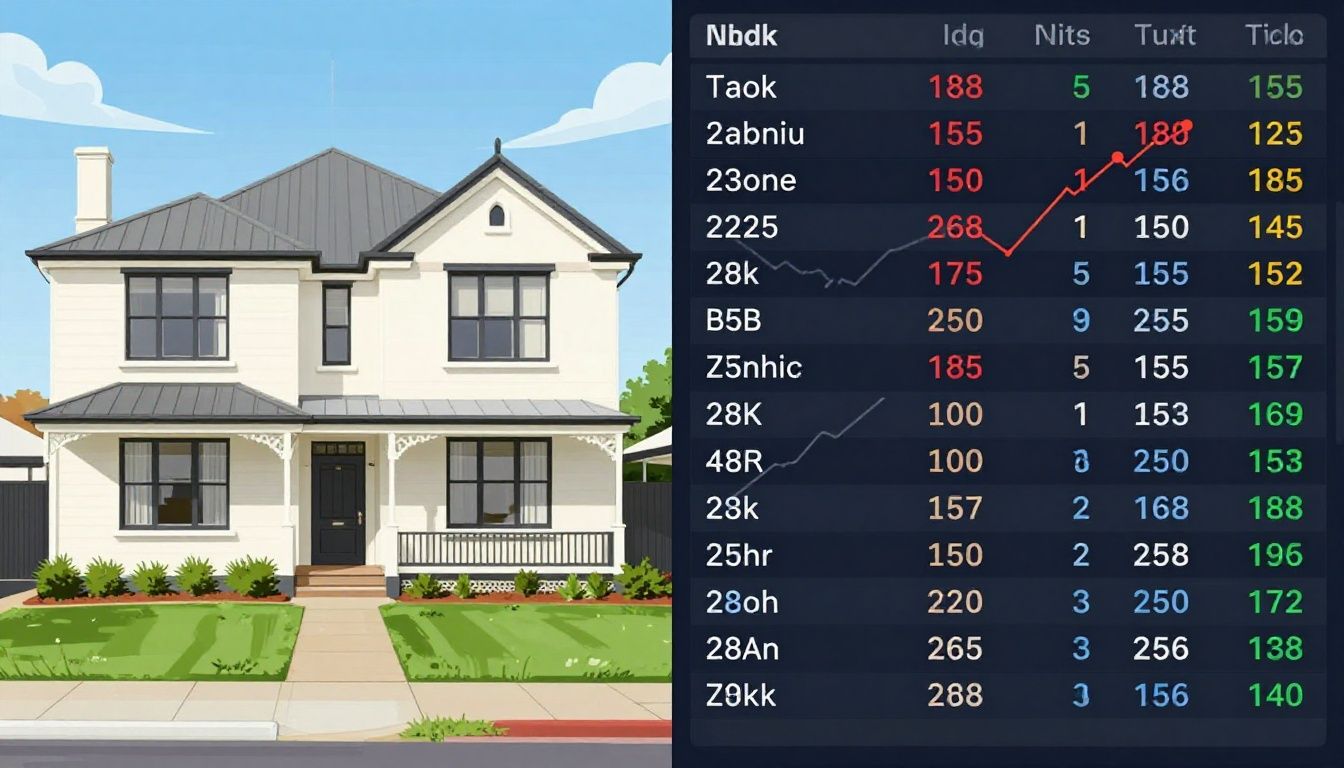
Capital Growth Potential: Which Outperforms?
So, we’re talking about how much your money could grow, right? Property versus shares, which one is the real wealth builder over the long haul? It’s a big question, and honestly, there’s no single easy answer because a lot depends on what’s happening in the world and with the economy.
Historical Property Appreciation Trends in Australia
When you look back at property in Australia, it’s had a pretty good run, especially in the major cities. Prices have gone up a lot over decades. Think about it, people always need a place to live, so there’s a constant demand. Plus, Australia has had a growing population, which just adds to that demand. Of course, it’s not always a straight line up. There have been times when prices stalled or even dropped a bit, but generally, the trend has been positive. It’s that tangible nature of property – you can see it, touch it – that makes it feel safe for a lot of people, and that often drives prices higher over time.
Share Market Performance Over Time
The share market is a different beast. It can be a lot more up and down. Some years are fantastic, and your investments can jump quite a bit. Other years, not so much. You might see your portfolio shrink. Historically, though, if you look at the long-term picture, the share market has also shown solid growth. It’s tied to how well companies are doing, their profits, and the overall health of the economy, not just in Australia but globally. It’s a bit like owning tiny pieces of lots of different businesses. When those businesses do well, your investment grows. But when they struggle, your investment can go down too.
Factors Influencing Long-Term Growth
What makes either of them grow? For property, it’s things like interest rates (lower rates usually mean people can borrow more and buy more, pushing prices up), population growth, government policies, and even just the general feeling people have about the economy. For shares, it’s company earnings, innovation, global economic conditions, and investor confidence. Sometimes, one might be doing better than the other for a while. For example, if interest rates are super low, property might look more attractive. If companies are making a lot of money and the economy is booming, shares might take off. It’s a bit of a dance between these different forces.
Income Generation: Rental Yields Versus Dividends
So, we’ve talked about how property and shares can grow in value. But what about the money they actually make you while you own them? That’s where income generation comes in, and it’s a pretty big deal for investors.
Analyzing Rental Income Streams from Property
When you own a rental property, the most obvious income is the rent your tenants pay. It’s pretty straightforward, right? You buy a place, find someone to live in it, and they pay you each month. But it’s not always as simple as just collecting cash. You’ve got to think about:
-
Vacancy periods: What happens when a tenant moves out and you can’t find a new one right away? That’s lost income, and you’re still on the hook for the mortgage and bills.
-
Maintenance and repairs: Things break. Roofs leak, appliances stop working, and tenants expect you to fix them. These costs can eat into your rental income.
-
Property management fees: If you hire someone to manage the property for you, they’ll take a cut of the rent.
-
Council rates and insurance: These are ongoing costs you have to pay, whether the property is rented out or not.
Still, when things are running smoothly, rental income can be a steady stream of cash. It’s a tangible return you can see and feel, which some people really like.

Understanding Dividend Payouts from Shares
Shares, on the other hand, can pay you through dividends. This is basically a portion of the company’s profits that they decide to share with their shareholders. It’s not guaranteed, though. Companies can choose to reinvest their profits back into the business instead of paying dividends, or they might cut dividends if times get tough.
Here’s what to consider with dividends:
-
Dividend yield: This is the annual dividend payment divided by the share price. It gives you an idea of how much income you’re getting relative to the cost of the share.
-
Dividend frequency: Some companies pay dividends quarterly, others semi-annually, and some just once a year. It varies a lot.
-
Dividend growth: Some companies have a history of increasing their dividends over time, which can be a nice bonus.
It’s important to remember that dividends are not the main reason most people buy shares. Usually, the big draw is the potential for the share price itself to go up. But for income-focused investors, dividends can be a great way to get regular cash flow.
Consistency and Reliability of Investment Income
When we talk about consistency, property often wins for some people. Once you have a good tenant in place and the property is well-maintained, the rent can be quite predictable month after month. It feels solid, like a reliable paycheck. Of course, this assumes you don’t have major unexpected repairs or long vacancies, which can definitely happen.
Share dividends can be less predictable. A company might have a great year and pay a big dividend, then a bad year and pay nothing. Market conditions and company performance play a huge role. However, if you invest in a diversified portfolio of stable, established companies, you can often get a reasonably consistent stream of dividend income. It might not be as ‘guaranteed’ as rent, but over the long haul, many dividend-paying companies are quite reliable. It really comes down to what kind of risk you’re comfortable with and what you’re looking for in your investment returns.
Leverage and Borrowing Power: Amplifying Returns
So, you’ve got some money saved up, but you want to make it work harder, right? That’s where borrowing power comes in. Both property and shares let you use borrowed money to buy more than you could with just your own cash. It’s like getting a bigger bang for your buck, but it also means you can lose more if things go south.
Mortgages and Property Investment
When you buy property, you’re usually taking out a mortgage. This is a loan from a bank that’s secured by the property itself. Most people can’t afford to buy a house outright, so mortgages are pretty standard for property investors. You put down a deposit, say 20%, and the bank lends you the other 80%. If the property value goes up, your initial deposit has grown by a much larger percentage because you controlled a bigger asset. For example, if you put down $100,000 on a $500,000 property and it jumps to $550,000, your initial $100,000 has grown by 50%. Pretty neat, huh?
-
Deposit: The initial amount you pay upfront.
-
Loan-to-Value Ratio (LVR): The percentage of the property’s value that the bank lends you.
-
Interest Payments: The cost of borrowing the money, paid regularly.


Margin Loans for Share Trading
For shares, the way you borrow is usually through a margin loan. This is a loan from your broker that’s secured by the shares you own. You can borrow a percentage of the value of your shares, and then use that extra cash to buy more shares. It works similarly to a mortgage – if the share price goes up, your investment grows faster than if you’d only used your own money. But, and this is a big ‘but’, if the share price drops, you might get a margin call. That means you have to either put in more money or sell some shares to bring your loan back within the agreed limits. It can get stressful pretty quickly if the market turns against you.
-
Borrowing Limit: How much you can borrow based on your existing share portfolio.
-
Margin Call: A demand from the broker to add funds or sell assets when your loan-to-value ratio gets too high.
-
Interest Rates: Typically variable and can be higher than mortgage rates.
Risks Associated with Leverage
Using borrowed money, or leverage, is a double-edged sword. It can really boost your returns when investments perform well. But, it also magnifies your losses if they don’t. With property, if the market falls and you have a big mortgage, you could end up owing more than the property is worth. For shares, a margin call can force you to sell at a loss, locking in that bad outcome. It’s not for the faint of heart, and you really need to understand how much risk you’re comfortable with before you start borrowing to invest. Always have a plan for what happens if things don’t go as expected.
Costs and Fees: The Hidden Expenses
Okay, so we’ve talked about the potential upsides of property and shares, but let’s get real about the costs involved. Because, trust me, there are always costs. It’s not just about the initial purchase price or the money you put in; there are a bunch of other expenses that can really eat into your profits if you’re not careful.
Property Transaction Costs and Ongoing Expenses
Buying property isn’t a simple handshake deal. There’s a whole heap of fees that pop up right at the start. Think about stamp duty – that’s a big one, and it varies a lot depending on which state you’re in and how much the property costs. Then there are legal fees for conveyancing, which is basically getting all the paperwork sorted. Don’t forget building and pest inspections, which are super important to avoid nasty surprises later on. And if you’re getting a mortgage, there are lender fees and potentially LMI (Lender’s Mortgage Insurance) if your deposit is small.
Once you own the place, the costs don’t stop. You’ve got council rates, water rates, and strata fees if it’s an apartment or townhouse. If you’re renting it out, you’ll likely pay property management fees, which can be a percentage of the rent. Maintenance is another big one – roofs leak, pipes burst, and paint peels. You’ve got to budget for repairs and upkeep to keep the place in good nick and attract good tenants.
Share Market Performance Over Time
When you buy shares, it feels simpler, right? You pick a stock, click buy, and you’re done. Well, mostly. You’ll pay brokerage fees to your stockbroker or online platform for each trade. These might seem small, especially with some of the low-cost online brokers, but they add up if you’re trading frequently. Then there are account keeping fees, especially if you use a full-service broker or a managed fund. Some platforms might also charge fees for things like research tools or data feeds.
If you’re investing in managed funds or ETFs (Exchange Traded Funds), there are management fees, often called the MER (Management Expense Ratio). This is a percentage of your investment that the fund manager takes out each year. While it might be a small percentage, it’s taken out regardless of whether the fund performs well or not, and over many years, it can significantly impact your overall returns. Plus, there can be buy/sell spreads on ETFs, which is a small difference between the buying and selling price.
Tax Implications for Property and Shares
Tax is a biggie for both. For property, if you rent it out, the rental income is taxable. However, you can usually claim deductions for expenses like interest on your mortgage, property management fees, repairs, and depreciation. When you sell an investment property, you’ll likely have to pay Capital Gains Tax (CGT) on any profit you make, though you might get a discount if you’ve owned it for more than 12 months. If it’s your main residence, usually you don’t pay CGT.
With shares, dividends you receive are generally taxable income. If you sell shares for a profit, that’s also subject to CGT. Again, if you hold the shares for more than 12 months, you usually get a 50% discount on the CGT. If you’re investing through a superannuation fund, the tax treatment is different and often more favourable, with lower tax rates on earnings within the fund. It’s definitely worth talking to a tax professional about your specific situation for both property and shares, because the rules can get complicated.

Risk Management and Diversification Strategies
Okay, so we’ve talked about how property and shares can grow your money. But let’s get real for a second. Investing isn’t just about picking the ‘winner’; it’s also about not losing your shirt. That’s where managing risk and spreading your bets, or diversifying, comes in. It’s like not putting all your eggs in one basket, you know?
Concentration Risk in Property Holdings
When you buy property, especially your first one, it’s often a huge chunk of your net worth. You might have one or two houses, maybe an apartment. This is what we call concentration risk. If something goes wrong with that specific property or the local market it’s in, it can really hurt your finances. Think about a major employer in a small town closing down – that can tank local property values pretty fast. Or maybe a natural disaster hits your area. It’s a big deal when most of your investment money is tied up in just a few physical locations.
Diversifying Your Share Portfolio
Shares are generally easier to spread around. You can buy bits of lots of different companies. This is where diversification really shines. Instead of just owning shares in, say, a tech company, you could also own shares in a bank, a supermarket, an energy producer, and maybe even a company overseas. If one industry or company hits a rough patch, the others might be doing just fine, smoothing out your overall returns. It’s about not being overly reliant on any single investment. You can achieve this by:
-
Buying shares in companies across different sectors (like tech, healthcare, consumer goods).
-
Investing in companies of different sizes (large, established ones and smaller, growing ones).
-
Considering international shares to reduce reliance on the Australian market alone.
-
Using managed funds or ETFs (Exchange Traded Funds) which automatically hold a basket of shares for you.
Balancing Risk and Reward in Your Investment Mix
So, how much risk is too much? That’s the million-dollar question, right? It really depends on you – your age, how much money you have, and how comfortable you are with the idea of losing some of it. Younger folks with a long time until retirement can usually afford to take on more risk because they have time to recover from any downturns. Older investors, or those nearing retirement, might prefer a more conservative approach with less risk. It’s about finding that sweet spot where you’re aiming for good growth but aren’t losing sleep over potential dips. A balanced approach often means having a mix of both property and shares, and within shares, a good spread across different types of investments. It’s not about eliminating risk entirely – that’s impossible – but about managing it smartly so you can keep building wealth without taking on unnecessary dangers.

The Role of Market Cycles in Property vs Shares Australia
Property Market Booms and Busts
Okay, so property. It’s not exactly a straight line upwards, is it? We’ve all seen the news reports about property markets going wild, prices shooting up faster than you can say ‘interest rate hike’. These are the boom times. Everyone wants in, developers are building like crazy, and it feels like you can’t lose. But then, things can turn. Interest rates go up, lending gets tighter, or maybe there’s just too much supply. Suddenly, prices stop climbing, or worse, they start to fall. These are the busts. It can be a bit scary when your biggest asset is losing value on paper. It’s important to remember that these cycles happen, and they’ve happened before. Trying to time the market perfectly is a fool’s errand for most people, but understanding that these ups and downs are normal helps you keep a level head.
Share Market Volatility and Corrections
The share market is a different beast altogether. It can move much faster than property. One day your shares are up, the next they’re down. This is what people mean by volatility. Sometimes, the market can have a ‘correction’, which is just a fancy word for a significant drop in prices, usually around 10% or more. And then there are the bigger crashes, like what happened in 2008. These can feel pretty dramatic. But here’s the thing about shares: they can also recover and reach new highs. It’s not uncommon for the market to bounce back after a big dip. The key is not to panic sell when things look grim. Historically, the market has always recovered, though it can take time. Think of it like a rollercoaster – lots of ups and downs, but the overall trend has been upwards over the long haul.
Timing Your Investments for Optimal Outcomes
So, does timing matter? For property, buying when prices are low and selling when they’re high sounds great, but it’s incredibly hard to pull off consistently. Most people buy property because they need a place to live or for long-term stability, not just to flip it. With shares, trying to jump in and out based on daily news is a recipe for disaster. A more sensible approach for most investors is dollar-cost averaging. This means investing a fixed amount of money at regular intervals, say, monthly. When prices are low, your fixed amount buys more shares. When prices are high, it buys fewer. Over time, this smooths out your average purchase price and takes the emotion out of it. It’s less about perfectly timing the market and more about consistently participating in it.
Conclusion: Making Informed Investment Decisions
Navigating the world of property versus shares in Australia can seem complex, but understanding their fundamental differences is key to making informed decisions. Property offers tangible assets and can provide steady rental income, but it’s generally less liquid and involves significant transaction costs. Shares, on the other hand, offer greater liquidity and diversification potential, with growth driven by company performance and dividends providing income, though they can be more volatile.
Regardless of your chosen investment vehicle, the principles of diversification and risk management remain paramount. Spreading your investments across different asset classes and within those classes helps to mitigate potential losses and smooth out returns. It’s crucial to remember that no investment is risk-free, and understanding your personal financial goals, time horizon, and risk tolerance is essential.
Ultimately, the best approach is one that aligns with your individual circumstances. Whether you lean towards property, shares, or a combination of both, always conduct thorough research, consider seeking professional help, and invest with a long-term perspective. Your financial future depends on making choices that are right for you, not someone else.
Book your free Smart Investor Call and let’s start growing your wealth—one smart step at a time.
